NORFOLK
LETTERS

Letters from the Norfolk Armed Forces Memorial, set for voice and piano

About Norfolk Letters

Norfolk Letters is a work for voice and piano based on letters preserved in the Norfolk Armed Forces Memorial in Norfolk, Virginia. The letters, written home by members of the armed forces who did not return, span more than two centuries of American history.

Norfolk Letters is conceived in two books, together encompassing all of the letters represented in the memorial. Book 1 includes the letters dating from 1776 through 1918, spanning the Revolutionary War through the end of the First World War. Book 2 will encompass the letters dating from 1942 through 2007.

Book 1 is a complete, self-contained work comprising ten songs, a solo piano Prelude, and three piano Intermezzi.

Book 2 is planned as the continuation of the project, completing the musical settings of the letters represented in the memorial.

The Norfolk Armed Forces Memorial

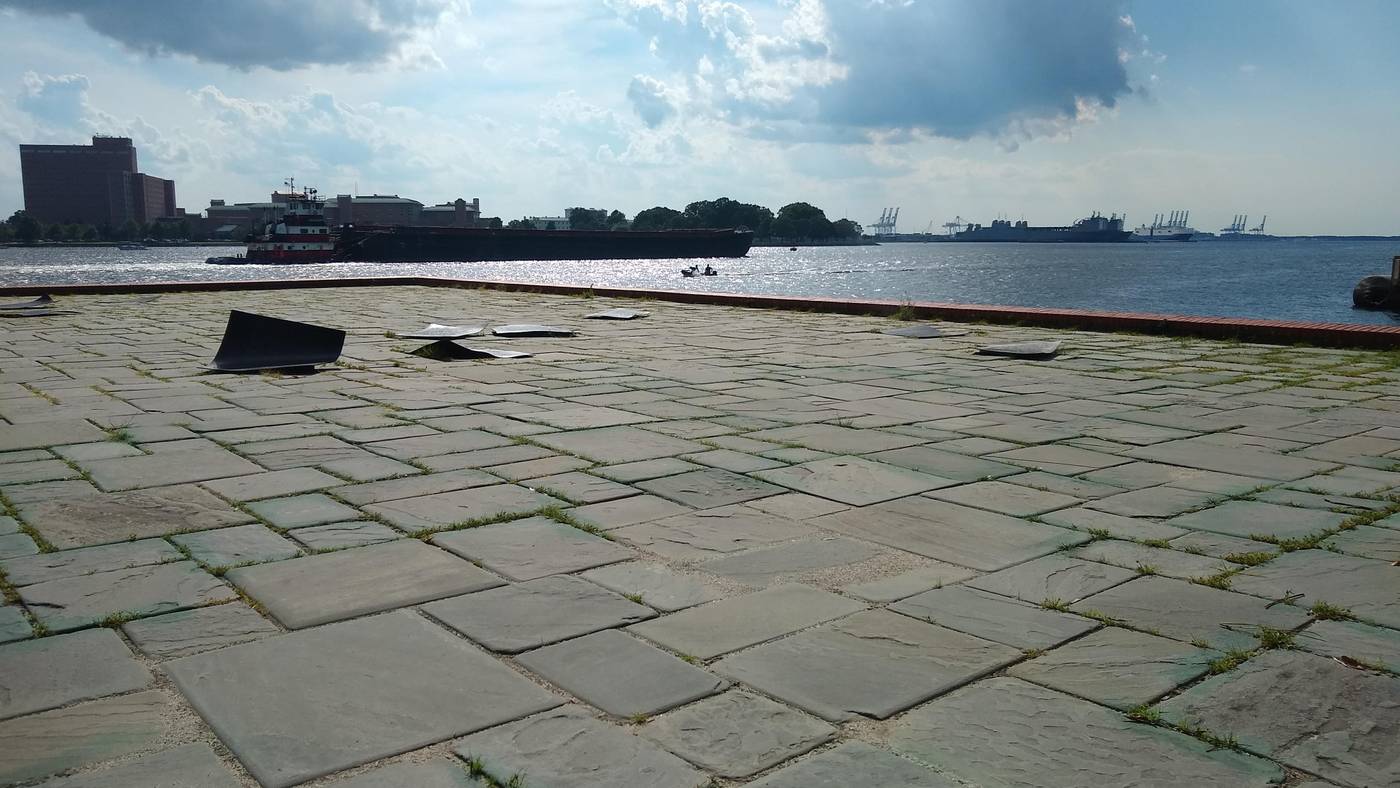
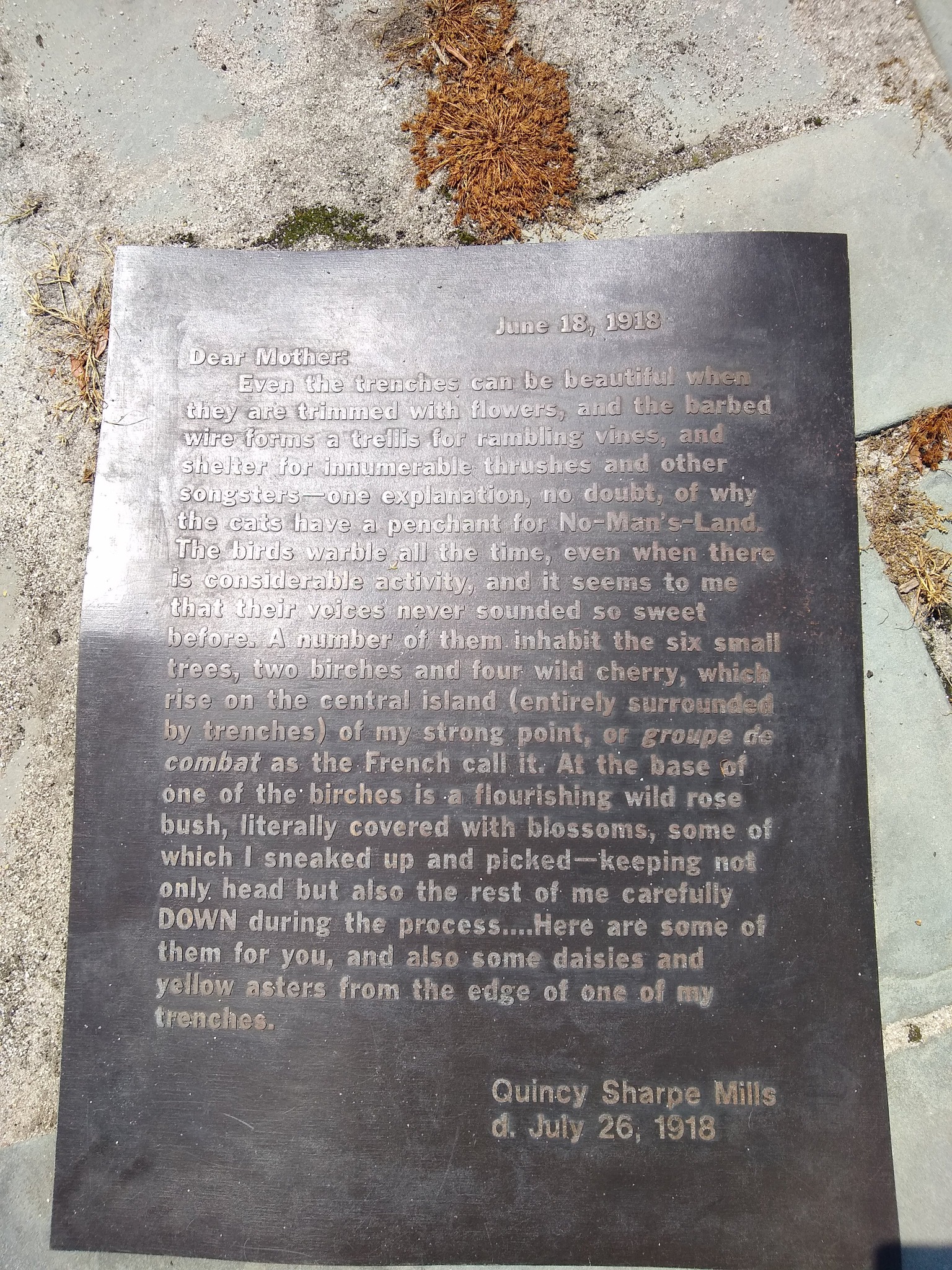
The Norfolk Armed Forces Memorial stands in Town Point Park along the Elizabeth River in downtown Norfolk. Dedicated in 1998, the memorial commemorates members of the U.S. armed forces who died in war. Scattered across the memorial are bronze casts of letters written home by service members who never returned. Spanning conflicts from the Revolutionary War through the Gulf War—and, with later additions, the wars in Iraq and Afghanistan—the letters offer intimate glimpses into the lives of those who wrote them and the people they left behind.

Norfolk Armed Forces Memorial along the waterfront
Norfolk Armed Forces Memorial · Town Point Park, Norfolk, Virginia

Created by artist Maggie Smith and architect James Cutler, the memorial opened in 1998. Smith researched the letters and selected excerpts for the memorial; she and Cutler then made the final selections together, seeking to represent different wars as well as a range of identities and experiences.

I first visited the memorial in the spring of 2000 during a high school choir trip to Virginia Beach. I was sixteen, and while I don't think I fully understood the significance of what I was reading, the memorial made enough of an impression that I remembered it years later.

A decade later, I returned to Norfolk and sought out the memorial again. Reading the letters at that point in my life was a very different experience, and I began to sense that there was something musical in them, even though I had no particular project in mind.

When I visited again in 2016, that instinct became more specific: I began to imagine setting the letters to music for voice and piano.

In the fall of 2021, as live music began to emerge from the disruptions of the pandemic, conversations with my friend and longtime collaborator, baritone Ross Tamaccio, gave me the opportunity to finally begin bringing the project to life.

As the project began to take shape, I contacted Norfolk Arts, which oversees the city's public art collection, including the Armed Forces Memorial. They helped connect me with the artists behind the memorial and learn more about its history and creation.

Norfolk Arts also helped launch the project with a recital presented as part of Old Dominion University’s F. Ludwig Diehn Concert Series, where the first completed pieces from Norfolk Letters received their world premieres.

The Old Dominion University recital marked the public launch of the Norfolk Letters commissioning consortium, which brought together singers, pianists, and supporters to help bring the complete project to life.
The Music

The letters in Norfolk Letters are more than historical documents; they are the words of individuals writing home to people they loved. The music gives those words an emotional landscape, allowing us to experience something of the person behind the letter rather than encountering the text only as a historical record.

Prelude

The solo piano Prelude opens Norfolk Letters, establishing a musical world of somber reflection and conflict before the first letter is heard.

Hsiao-Ying Lin, piano
F. Ludwig Diehn Concert Series · Chandler Recital Hall · Old Dominion University

My girl, my girl, how I do miss you

The final song of Book 1 sets a 1918 letter by Francis M. Tracy. After the singer’s final words, “Pray for me, and all our boys,” the voice falls silent and the piano returns to music from the opening Prelude.

Ross Tamaccio, baritone · Hsiao-Ying Lin, piano
F. Ludwig Diehn Concert Series · Chandler Recital Hall · Old Dominion University

Book 11776–1918

Book 1 sets ten letters from the memorial, framed by an opening Prelude and three solo piano Intermezzi, each reflecting on a line drawn from the letter that immediately precedes it.

Prelude

solo piano

The Prelude opens in a world of somber reflection and harmonic conflict, ending quietly with a sense of uncertainty before the first letter begins.

...We are on our guard

John Chilton · October 6, 1776

John Chilton writes amid uncertainty about an expected attack, describing both the resolve of his fellow soldiers and the aftermath of battle. Near the end of the letter, his perspective widens into a reflection on warfare itself, comparing the caution and fear of opposing armies to deer wary of men.

My regards to you and our child

Andrew Allard · February 11, 1777

Addressed to his wife and child, Andrew Allard’s letter closes by extending his thoughts to those at home: “my love to all my friends.” The setting repeats those final words, allowing them to linger as the letter’s final expression of connection to home.

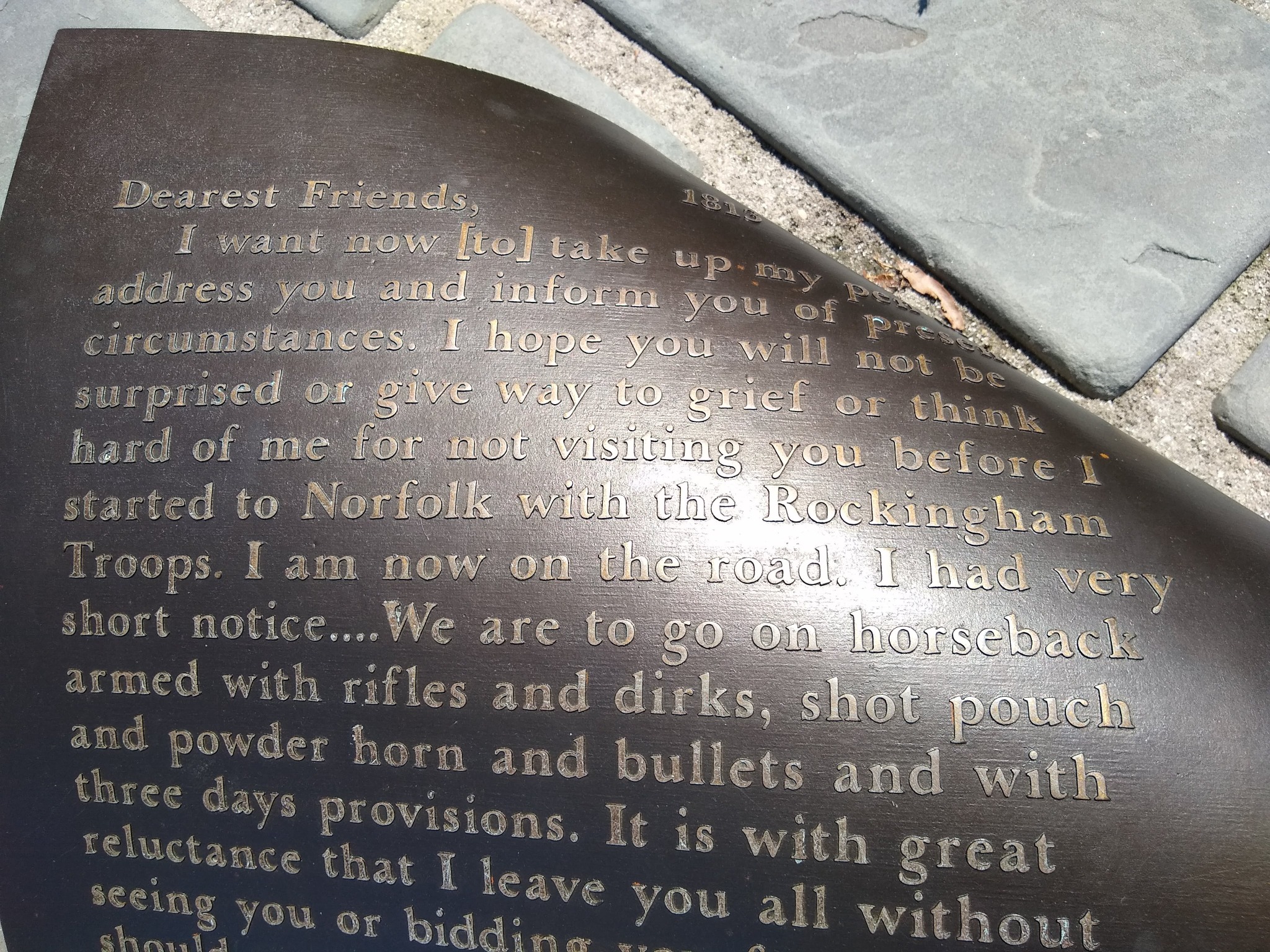
I want now [to] take up my pen

Alexander Ogg, Jr. · 1813

Writing before departing for Norfolk with the Rockingham Troop, Alexander Ogg, Jr. confronts the possibility that he may not return. The setting gives particular weight to the line “If I should never return,” first heard at the song’s climax and then repeated more quietly before Ogg turns to what should happen if he does not come home.

Intermezzo (If I should never return)

solo piano

The first Intermezzo draws its music from Ogg’s “If I should never return,” lingering on a single line from the letter after the voice has fallen silent.

The indications are very strong that we shall move in a few days

Sullivan Ballou · July 14, 1861

Although Sullivan Ballou writes with the knowledge that he may not return, his letter to Sarah is fundamentally a love letter. The setting centers that intimacy, leading ultimately to his plea, “never forget how much I loved you.”

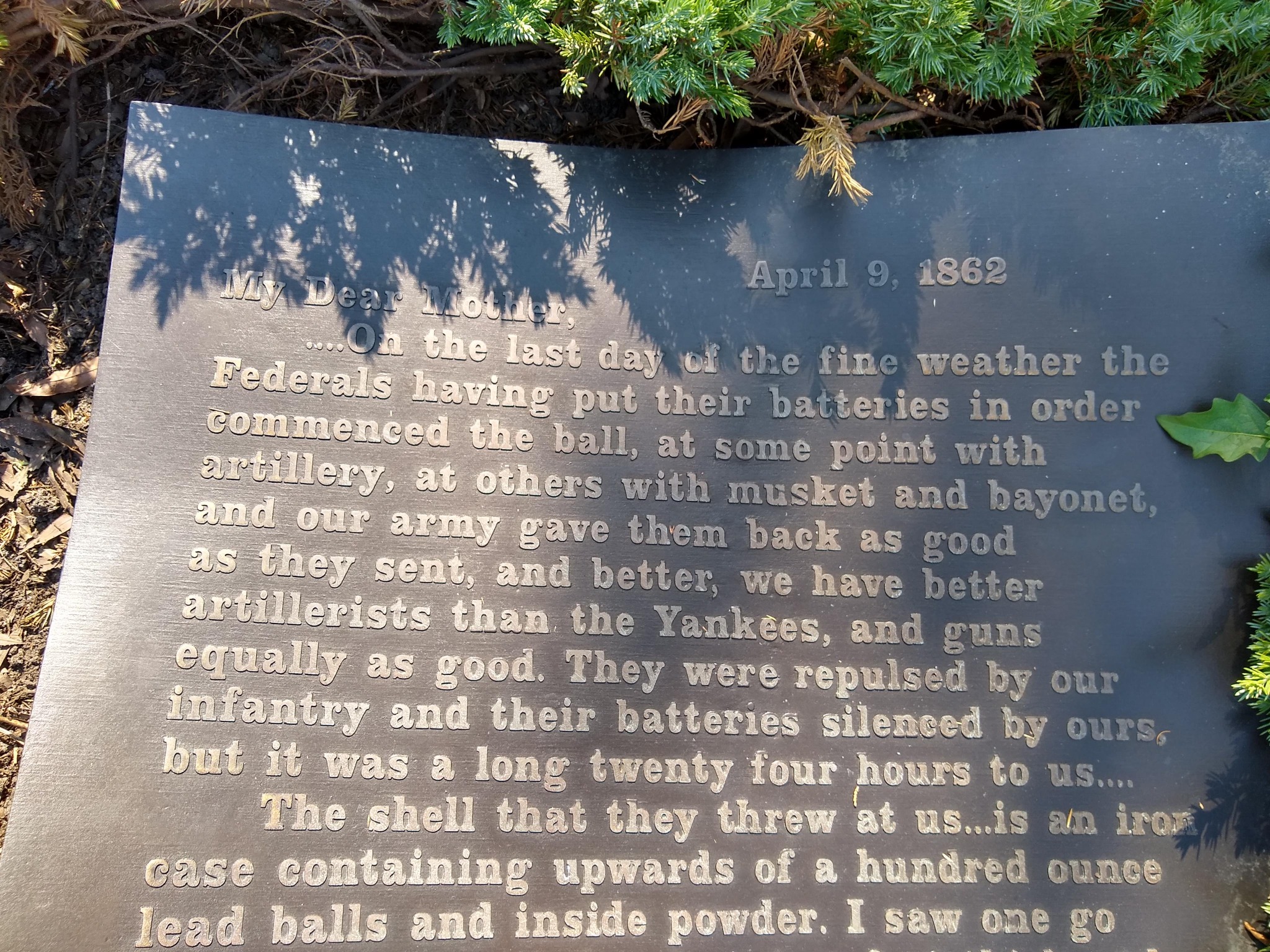
....On the last day of the fine weather

Robert Henry Miller · April 9, 1862

Robert Henry Miller writes vividly about the fighting around him, but his account ends with a strikingly plain observation: “War looks a great deal better in the newspapers than anywhere else....” The music leaves his final thought without a clear resolution.

We are on the march to Fort Wagner, to storm it

Robert J. Simmons · July 18, 1863

Robert J. Simmons writes as he and his fellow soldiers march toward Fort Wagner. A persistent march runs through the setting, giving musical form to the movement already present in his words.

Intermezzo (The bullets fairly rained around us)

solo piano

The second Intermezzo takes a line from Simmons’s account of battle and responds with aggressive, relentless music, punctuated by sharp, rapid bursts suggesting gunfire.

I take my time to write a few lines

Sarah Rosetta Wakeman (alias Lyons Wakeman) · April 14, 1864

Sarah Rosetta Wakeman’s letter moves between life in camp, an account of battle, and the welcome arrival of a letter from home. The music follows those shifts, moving from a sense of longing through the sharper intensity of battle before returning to a more reflective character.

No doubt a letter written from this place will take you greatly by surprise

Beverly Stanard · May 12, 1864

The rhythms of Beverly Stanard’s words shape a restless, uneven march that runs throughout the setting, intensifying toward the end before stopping abruptly in mid-stride.

Even the trenches can be beautiful

Quincy Sharpe Mills · June 18, 1918

Writing from France, Quincy Sharpe Mills describes the unexpected beauty surrounding him in the trenches—flowers, fields, and birds set against the reality of war.

Intermezzo (keeping not only head but also the rest of me carefully DOWN during the process)

solo piano

The final Intermezzo surrounds a quotation from the preceding song with chaotic, rapidly moving music, reflecting the danger behind Mills’s wry description of keeping himself carefully “DOWN.”

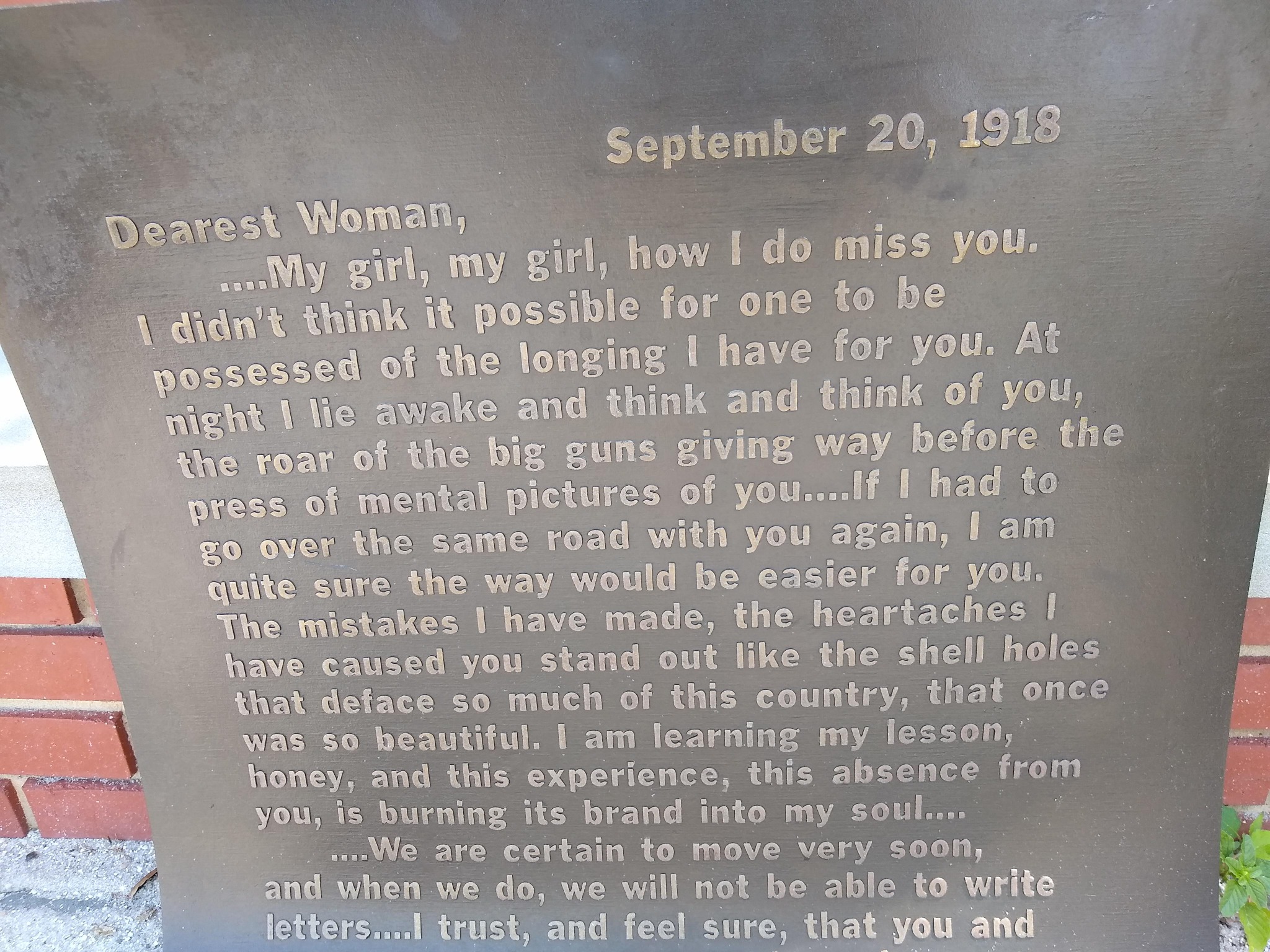
My girl, my girl, how I do miss you

Francis M. Tracy · September 20, 1918

Francis M. Tracy writes directly and intimately to the woman he loves. The setting follows the natural inflection of his words, allowing the vocal line to unfold almost as speech through melody before building toward his final plea: “Pray for me, and all our boys.”

Performing Norfolk Letters

Norfolk Letters is written for voice and piano and may be performed by a single singer or divided among multiple singers. Each song is designed to be sung by any voice type, with ossia alternatives provided where register concerns arise.

Book 1 lasts approximately 65 minutes without intermission. Individual songs, the Prelude, and the Intermezzi may also be performed independently or combined in shorter sets. When Book 1 is performed in its entirety, the published order should be followed.

Performers and presenters interested in scores or programming Norfolk Letters are invited to contact the composer for current performance availability.

The Norfolk Letters
Commissioning Consortium

Norfolk Letters was made possible through the support of a commissioning consortium of singers, pianists, and supporters of new music.

Lead CommissionerRoss Tamaccio
Anonymous (2)
Antonio Abreu
Sarah Berger
Lidia Berhe
Jean Blair
Martha Blakely
Sandy Boyd
Eunju Chen
Peter Dayton
Melanie Diaz Dodson
David Finney
Rebecca Gideon
Kerry Holahan
Ah Young Hong
Anna Huntley
Megan Ihnen
Sonya Knussen
Lori Laitman
Hsiao-Ying Lin
Juliana Marin
Lauren McDonald
Edmund Milly
Jaime Namminga
James Reese
Vindiya and Ritesh Ramdhani
Sarah Richards
Nola Richardson
John Rickelton
Susan Rickelton
Jason Rylander
Phyllis Bryn-Julson Sutherland
Donald Sutherland
Tim Teeter
Mara Yaffee
Daryl Yoder

About the Composer

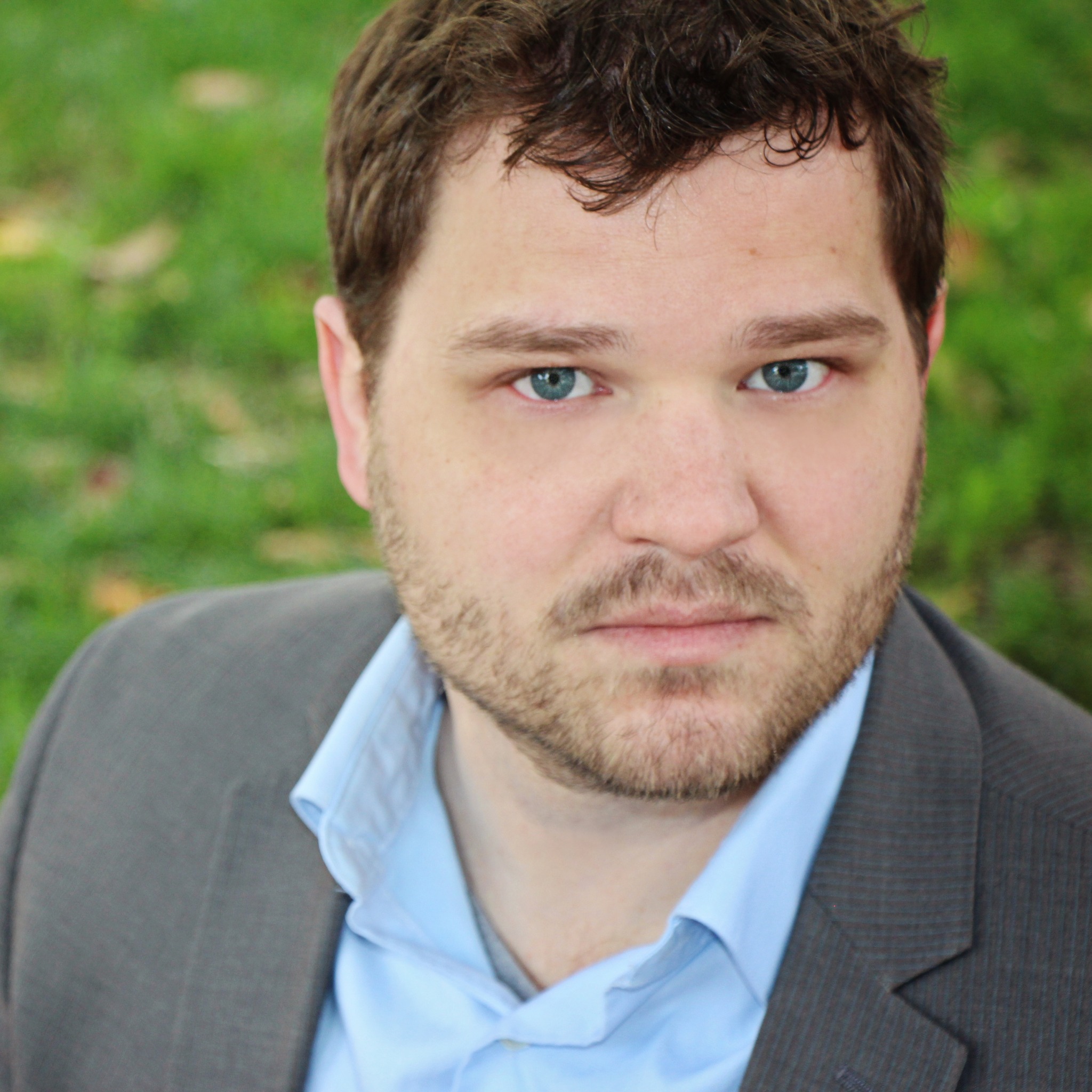
Michael Rickelton

Michael Rickelton is a composer of solo, chamber, orchestral, and vocal music, with a particular affinity for writing for the voice. Composer Lori Laitman has described him as having “a great and clear gift for writing for the voice.” A singer in his own right, Rickelton brings melodic shape and linear drive to music ranging from art song and choral works to chamber music, orchestral music, and electronic sound design.

Recordings of Rickelton’s music have been released by Delos, Albany Records, and Petrichor Records, including the portrait album Time and Memory, which features his work for solo voice and piano. His music has been presented by ensembles including the Baltimore Symphony, Nashville Symphony, Pacific Chorale, and the Choir of the Washington National Cathedral.

Rickelton teaches at the Peabody Conservatory, Johns Hopkins University, Towson University, and Loyola University Maryland. He is also Artistic Director of Go Compose North America and Assistant Conductor of the Baltimore Choral Arts Society.

Read the full biography

Interested in performing Norfolk Letters?

Contact Michael

Copyright © 2018-2026 Michael Rickelton - All Rights Reserved